Your cart
No hay más artículos en su carrito
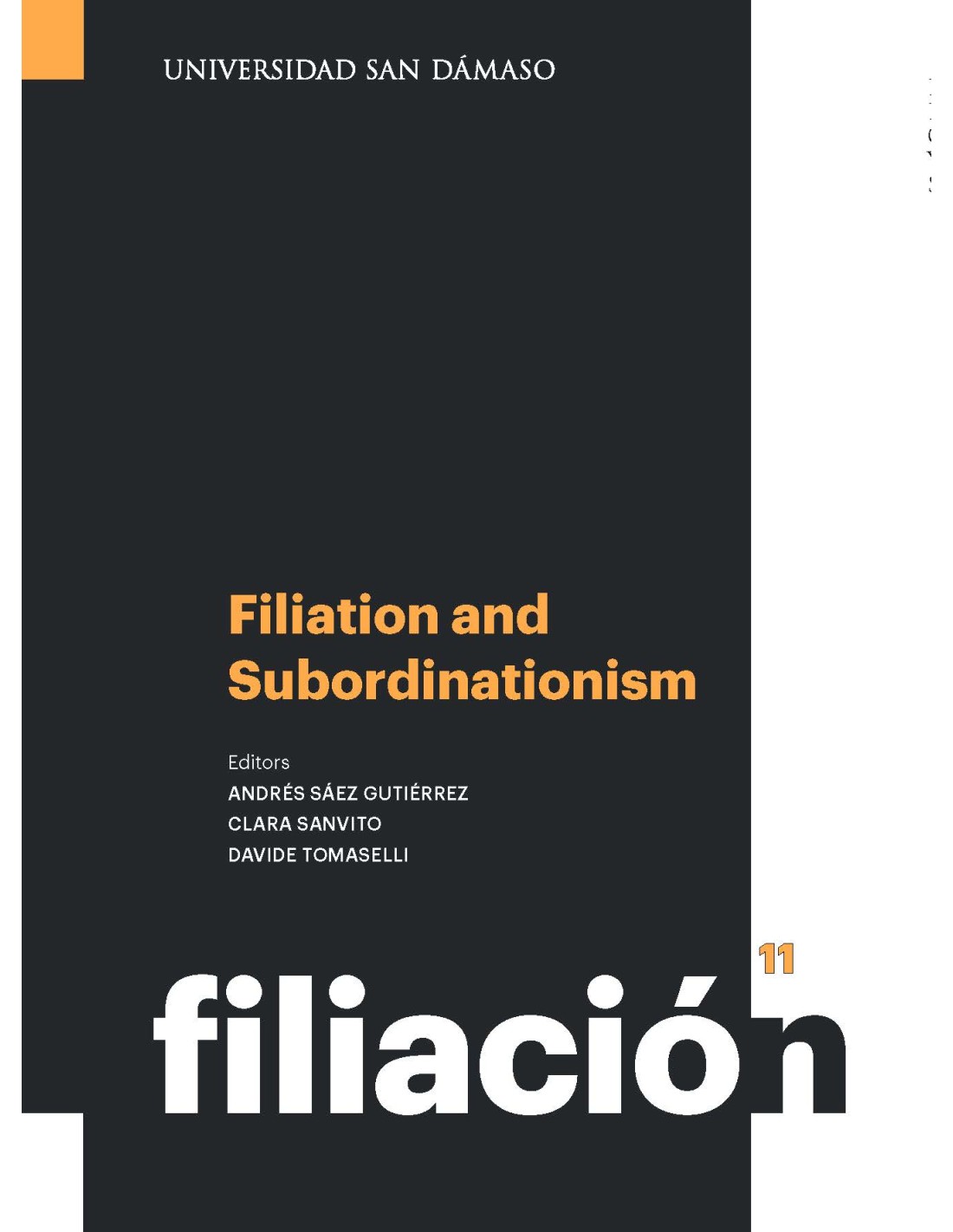
Filiation and Subordinationism, el volumen once de la colección Filiación, está dedicado a la relación entre la identidad del Hijo de Dios y el llamado subordinacionismo trinitario y cristológico, atribuido con frecuencia a los autores cristianos prenicenos. El problema teológico que específicamente aquí se aborda se puede formular del siguiente modo: ¿Se puede calificar de subordinacionista la cristología prenicena? ¿Sí, no o en qué sentido? ¿Cuál es la relación entre la teología trinitaria prenicena y la desarrollada tanto por Arrio como en torno al Concilio de Nicea? ¿Fue Arrio un cristiano conservador o rompió, por el contrario, con la fe apostólica precedente? Son cuestiones antiguas sobre las que merece la pena volver por su extraordinaria relevancia: para la fe, pues tienen una incidencia directa en la naturaleza del Mediador Jesucristo y, por tanto, en la salvación; para la teología, pues cuanto mayor es la capacidad para situar una posición teológica en el contexto de las tradiciones de las que bebió y de las que rechazó, mejor se podrá comprender. Y todo ello se entrelaza con un término, el de subordinacionismo, no empleado unívocamente en la historia de la investigación.
Filiation and Subordinationism, the eleventh volume in the series filiación, is dedicated to the relationship between the identity of the Son of God and the so-called Trinitarian and Christological subordinationism, frequently attributed to pre-Nicene Christian authors. The theological problem specifically addressed here can be formulated as follows: Can pre-Nicene Christology be classified as subordinationist? Yes, no, or in what sense? What is the relationship between pre-Nicene Trinitarian theology and that developed both by Arius and in the time of the Council of Nicaea? Was Arius a conservative Christian or, on the contrary, did he break with the preceding apostolic faith? These are age-old questions worth returning to due to their extraordinary relevance: for faith, since they have a direct impact on the nature of the Mediator Jesus Christ and, therefore, on salvation; for theology, since the greater the ability to situate a theological position in the context of the traditions from which it drew and which it rejected, the better it will be understood. And all of this is intertwined with a term, that of subordinationism, not used univocally in the history of research.